Retail
- Point of Sale Data Management
- Optimizing Last Mile Delivery Processes
- Customer Data Management
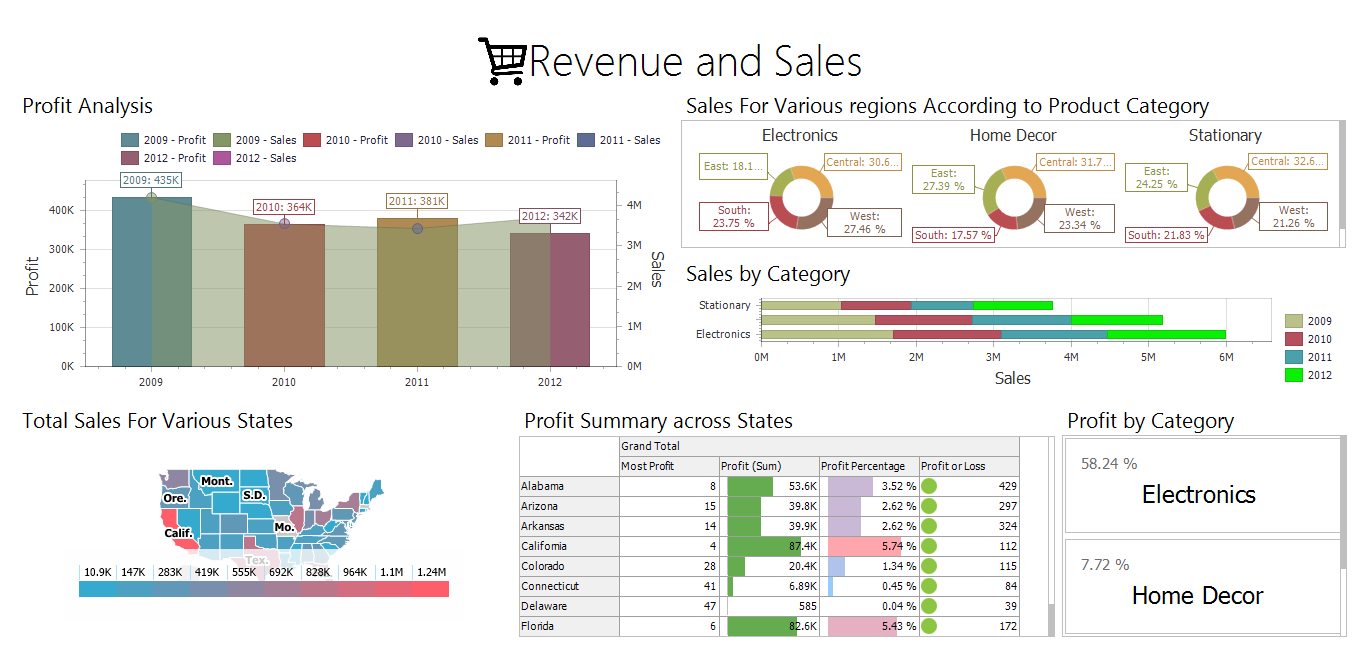
- Revenue and Sales Analysis
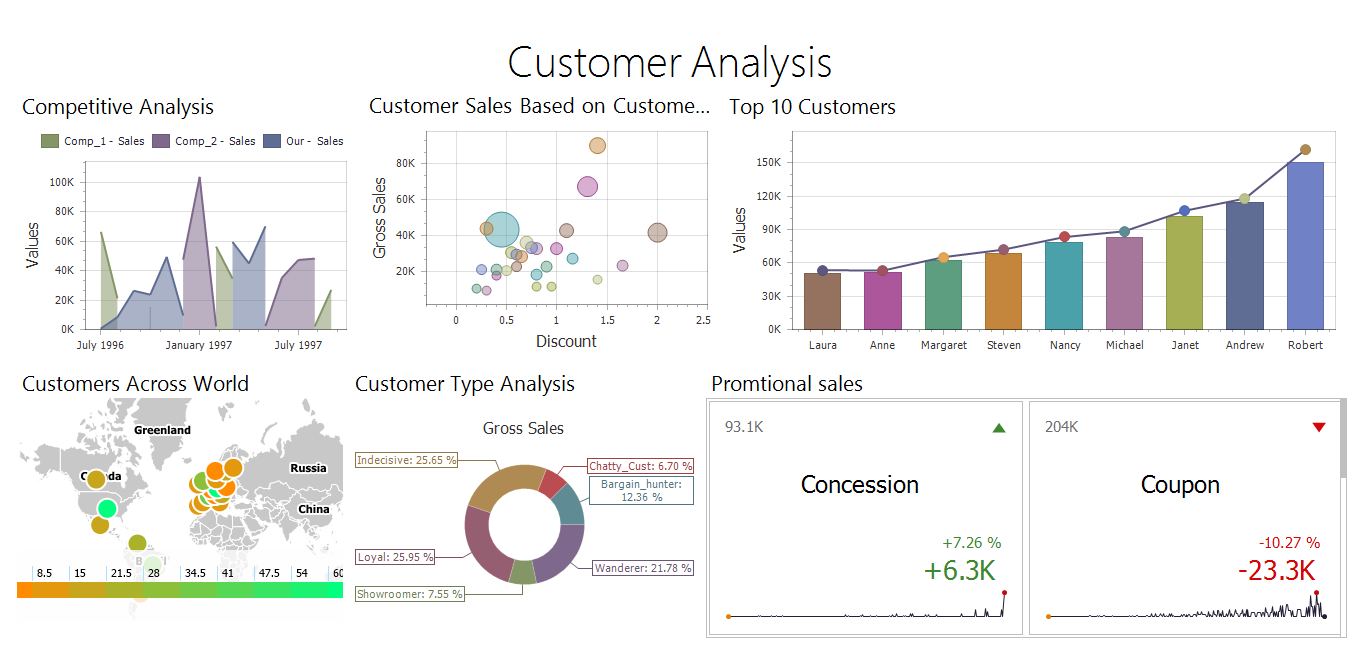
- Customer Analysis
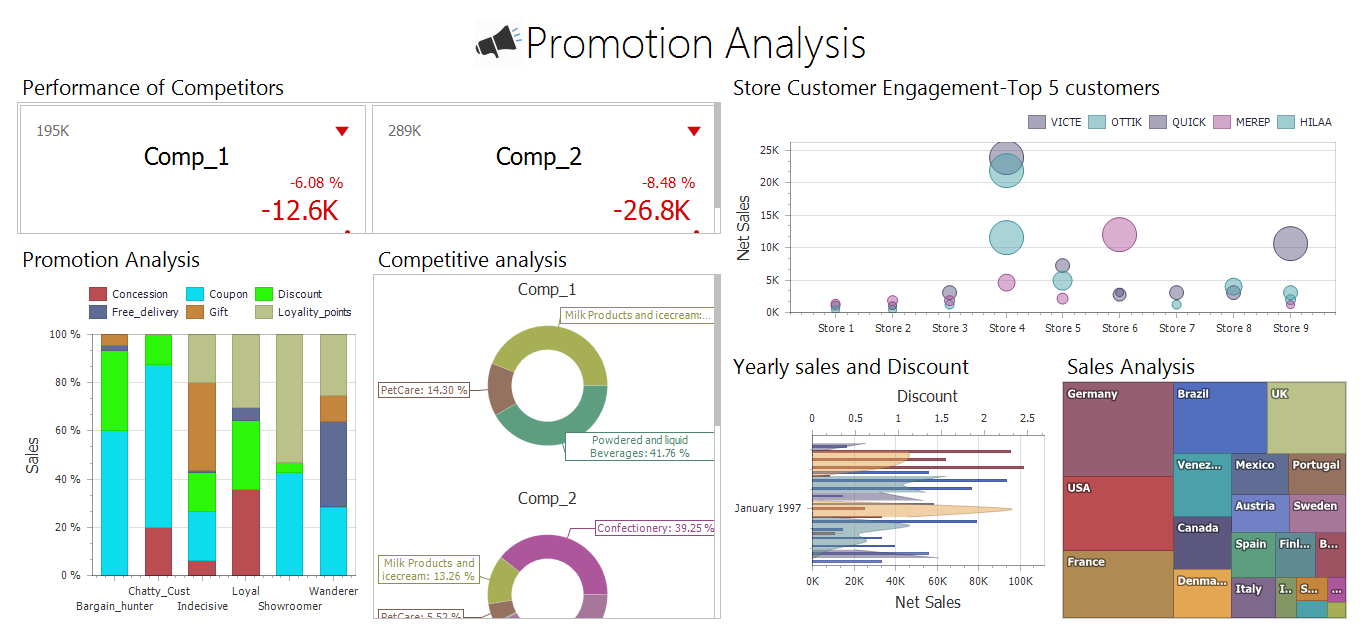
- Promotion Analysis
Point of Sale Data Management
Point of Sale Data Management
In the retail industry, data quality is at the heart of what both troubles and brings life to the business. 3.5 billion GB of data were generated every day in 2016 and that volume is expected to double every two years until 2020. But what happens when the quality of that data is compromised due to human error, technological error or what have you?
Data is the linchpin for many kinds of operationally critical activities (billing, tax collection, shipping, etc.) as well as revenue-generating activities (loyalty programs, lead generation, personalized marketing, etc.).
It is difficult to keep track of the customer and have all his details up-to-date In such a complex distribution channel. The poor data quality, varied data structure, and lack of effective data management were holding them back from getting valuable insight from it and achieving their business goals.
To get quality data, companies need to link customer records across all of their departments, improve their data collection processes across all channels and make sure they are getting accurate information from all the resources.
Data Quality solutions from Starcom ensure transparency throughout the entire product and customer relationship cycle. This technology platform enables a close mesh of “understanding data”, “cleansing data”, “protecting data” and “monitoring data”. The online verification engine is to validate instantly the new data that comes from various sources like CRM, PoS, Database or any other data source.
- How Starcom data quality solution StarDQ benefit retail industry:
- Interact directly with the customer based on his/her preferences
- Consolidate the information from your (DMS) dealer management systems
- Cleanse, validate, enhance and remove duplicate data automatically
- Data Analytics using Dashboard results improved demand forecast accuracy
- Increased supply chain visibility and faster time to market
- Targeted sales and marketing campaigns
- Higher levels of customer service
Optimizing Last Mile Delivery Processes
Optimizing Last Mile Delivery Processes

Logistics is generally the detailed organization and implementation of a complex operation. In a general business sense, logistics is the management of the flow of things between the point of origin and the point of consumption in order to meet requirements of customers or corporations. The resources managed in logistics can include physical items, such as food, materials, animals, equipment and liquids, as well as abstract items, such as time and information. The logistics of physical items usually involves the integration of information flow, material handling, production, packaging, inventory, transportation, warehousing and often security.
The logistics market, unlike E-commerce (the market most closely related to it), suffers from a dearth of technology, especially with regards to making data collection and validation more efficient. The assumption is that this is generally a more time consuming process. But what if you could dedupe and create a holistic customer view, plot delivery locations on a map and assigned fixed routes to your delivery executives, all in a single solution?
Many shippers are working on optimizing internal logistics processes—tendering, freight rate management, order placement, time management and reporting—so that all runs smoothly thanks to automated, fully integrated workflows.
Our software is individually tailored to your specific demands, and ensures effective Customer Identity Resolution. With these functions you lay the foundations for individual, personalised customer care, which in the automobile branch – particularly against a background of longer service intervals – is enormously important.
Customer Data Management
Customer Data Management

Today, Retail companies engage with customers across multiple channels from different branches and telephone support through to online services and new mobile applications. These channels have to support a wide range of products. This result in a large number of customer information that is often stored in isolated data silos due to scaling limitations imposed by existing IT infrastructures.
The challenge here is not that Retailer’s don’t have this data – indeed, many Retailers have been building data lakes for years. Instead, it is difficult for them to get this data into a useful form that can be used at the “point of customer value.”
An enhanced 360-degree view of the customer is a holistic approach that takes into account all available and meaningful information about the customer to drive better engagement, more revenue and long term loyalty. It combines data exploration, data governance, data access, data integration and analytics in a solution that harnesses the volume, velocity and variety.
Today’s customers are free to explore all possible sources before they commit to a product. They have instant access to product information, independent evaluations both from experts and through crowd sourcing websites, and advice and price options from multiple vendors.
This trend has fundamentally changed the buyer-seller relationship and raised customer expectations. Customers can access a wealth of information about sellers and their products; they can also find out when goods are shipped, track their shipments and receive real-time updates on delivery.
Starcom’s offers 360 degree view of customer solutions can help, analyse, cleanse, and remove duplicate customer information enables smarter decision making, effective cross selling & up selling ultimately the profitability.